

“Life is too short for boring meals.”
The History
While I was born in Louisiana and have well over 150 years of Louisiana ancestry, I did not grow up eating cajun food. I honestly do not remember where and when the love affair with this type of food started, but it started me on a journey to learn how to make these wonderful dishes of rich and complex flavors in my own kitchen.
Southern Louisiana gumbo is a dish with culinary influences from West Africa, Native American, and European contributions. It is believed the use of okra as a thickening agent was a technique used by the West Africans and brought to the American South. In fact, the word gumbo is derived from the West African, ” ki ngombo” meaning okra. The Native Americans contributed using dried sassafras grass, or File powder, as an additional thickening agent to the base. European contribution was to use roux, the browning of flour in a fat based oil. . Additionally, the use of the “holy trinity” of onions, celery, and bell pepper was an adaptation of the French mirepoix which is onion, celery, and carrots. Some recipes will use only roux as the thickening agent, and others use a combination of all of the above. Modern file powder is now used mostly as flavoring added at the end for an earthy, herbal flavor. Phebe Hayes provides more history on the evolution of this Creole and Cajun staple in the article “From West Africa to Southwest Louisiana: The Origin of Gumbo.”
Cajun or Creole?
I have mistakenly used these terms interchangeably for years. One source stated the difference between “Creole” and “Cajun” being similar to city and country, respectively. The dishes were determined by both availability of food and the financial resources to purchase. The culinary differences in today’s food is subtle, but I will say knowing there is a difference has allowed me to refine my Google searches when looking for recipes. In regards to gumbo, the main difference is Creole has tomatoes and okra, and recipes generally call for adding shrimp or crab. Cajun recipes will not have tomatoes or okra, and will, instead, have sausage and chicken and maybe file powder. The spices are mostly the same for both dishes, but Creole will have a bit more paprika.
The Recipe
After reading what felt like every gumbo recipe on the internet, I could not find “the one” I wanted. I have never used okra in any soup, ever, because I was worried about my gumbo being slimy. Recipes that called for okra all had steps that included simmering in sugar and/ or vinegar. I was not doing all that, but was willing to give okra a try. I am so glad I did. I think that was one of the reasons for this being a complete success. I also wanted shrimp in my gumbo, but I needed chicken too so I would have chicken stock as the base liquid. Some recipes called for beef stock, and the thought of that made me sad. So I picked pieces of different recipes and came up with my own. The result was, hands down, the best gumbo I have ever had.
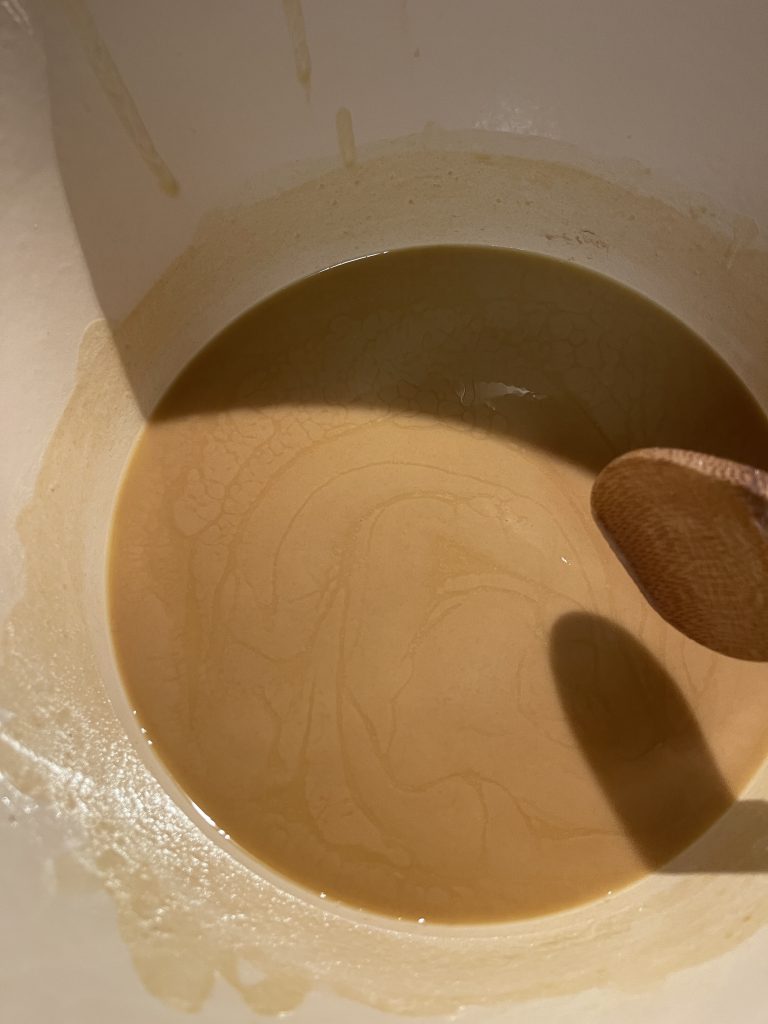
Roux has its own complexity. The oil used can impact the ultimate flavor. Whichever lard or oil you use, make sure the smoke point is fairly high. The Secret to the Perfect Roux can provide more detail and further explanation on the intricacies of roux making. I chose to not go as dark on my roux, and stopped somewhere right past peanut butter colored. You will be stirring this for quite a bit of time and if your oil gets scorched, your roux is ruined. I used butter Crisco. It took me about 30 minutes of almost continuous stirring to achieve this color. This needs to be done at a very low temperature.
The Goodies
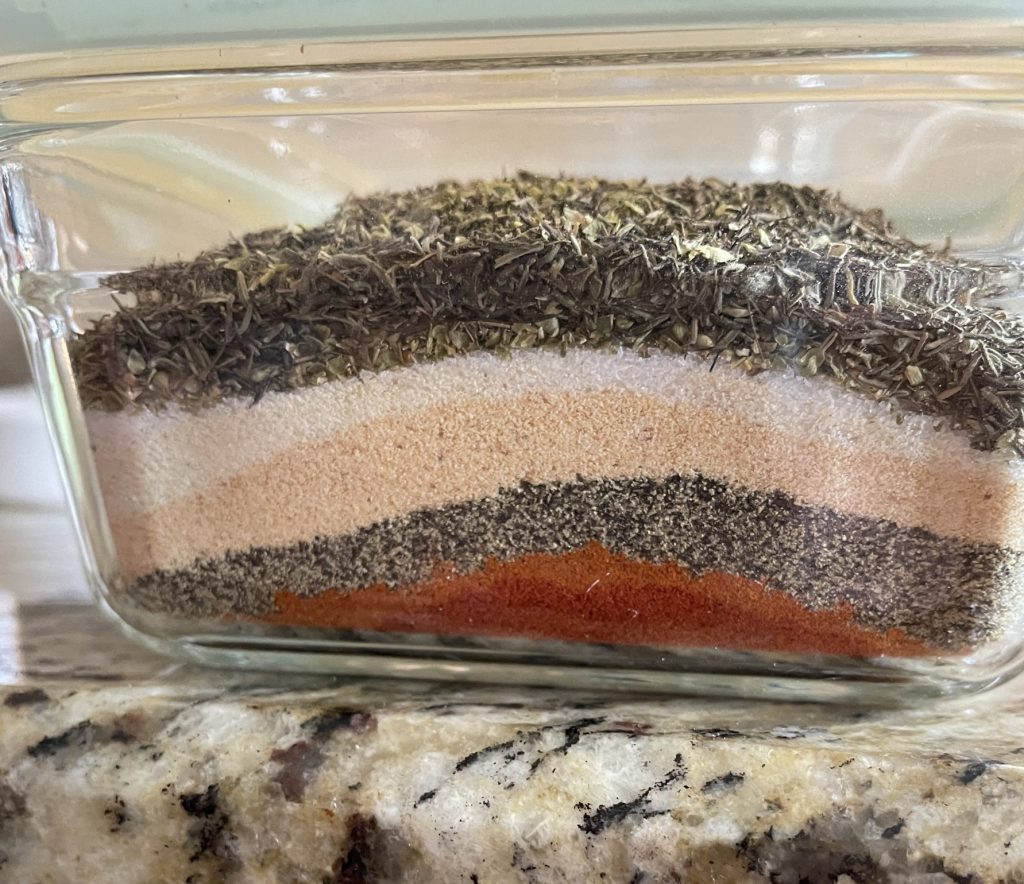
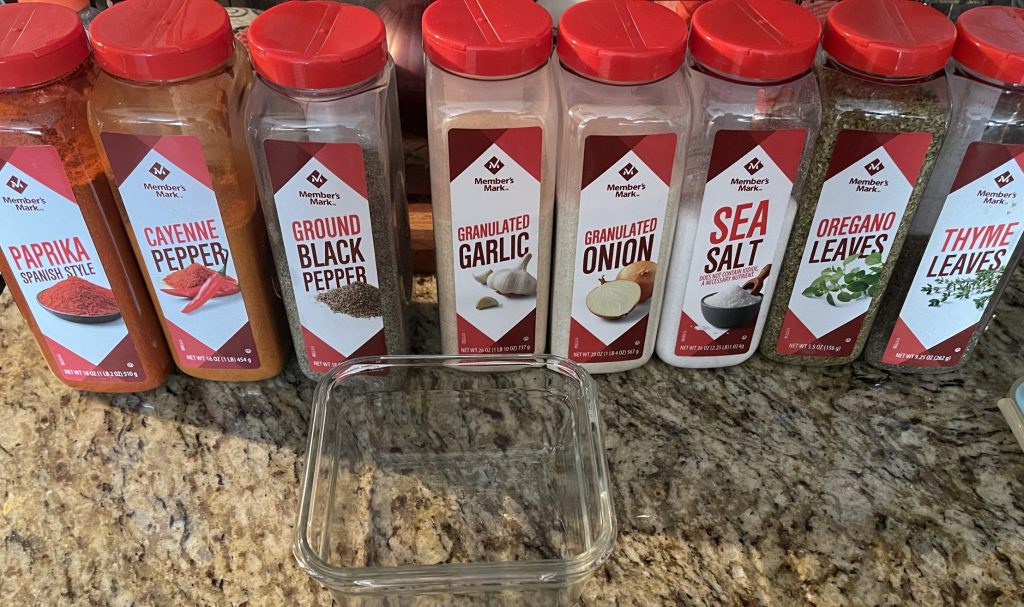
I had a specific list of ingredients I wanted in my gumbo and (begrudgingly) decided to try okra. I mean if it was horrible, we had hotdogs as a back-up. The plan was solid. I wanted tomatoes so, creole gumbo it will be. I also wanted chicken, so back to Cajun? Shrimp gets me back to creole. Adding file powder, lands you back to cajun recipes. The final product contained the veggies, chicken, shrimp, sausage, tomatoes, okra, and so, so many spices. I used the Rustic Rub listed in Emeril Lagasse’s Chicken and Smoked Sausage Gumbo. You may want to make a smaller recipe as this one is 33 Tablespoons. I use quite a bit of cajun/creole seasoning for different recipes, so I made the full recipe. For the gumbo, I used this as the seasoning on the chicken, the main “cajun seasoning” and on the shrimp. I would strongly recommend making your own “cajun seasoning” instead of using commercially prepared. Blending your own spices will have better flavor and much less salt.
Step by step
I boiled the chicken a few hours a head of time. I use chicken thighs because they are less likely to dry out with boiling. The goal is to have enough chicken broth left for the 2-3 quarts of liquid needed. I used 2 quarts. If you need or want additional liquid, just adding water to the broth will be fine.
I pre-chopped all of my vegetables. This recipe had 1.5 cups of onion, one bell pepper, and three stalks of celery. Next time I will have 2 cups of onion, 1.5 cups of bell pepper, and 4 or 5 stalks of celery. This sounds like a lot, but it simmers for so long, you don’t even notice. I also added 4 (small) pieces of okra. I cut them into thirds.
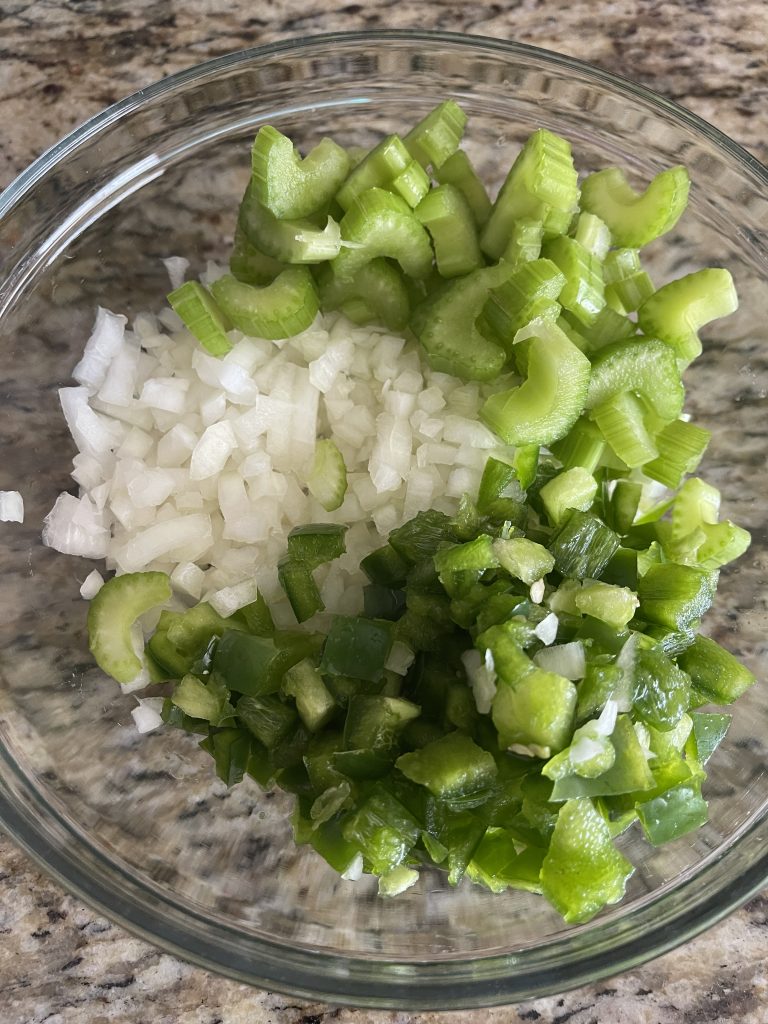
I sliced the sausage. I pulled the tails off the shrimp, sprinkled some of the above seasoning on them and put them back in the fridge until right before the gumbo is done.
As mentioned above, the roux takes about 20-30 minutes, cooked at a very low temperature. Low and slow is what allows all the flavors to blend. This is the base of your gumbo, take the time to get this right. After the roux is the desired color, add the onion, celery and bell pepper, cook for an additional 10- 15 minutes. Add minced garlic and cook for 2 -3 minutes.
At this point, all the remaining ingredients, with the exception of the shrimp, will be added. Add the chicken broth. I used 2 quarts, you may want to add more. If you increase the veggie amount, I would definitely increase the broth. Break up the whole tomatoes in a bowl and add them and the juices to the gumbo. I added just a bit of juice from the can. I added two tablespoons of the seasoning, 4 bay leaves, 4-5 hard shots of Louisiana hot sauce, about a tablespoon of Worcestershire sauce. I did add a couple of shakes of cayenne pepper. Turn up the heat to no more than medium, once it starts to simmer, turn the temperature back down to low. This is going to need to cook for about 2.5 hours to thicken properly. It will need to be occasionally stirred. After the 2.5 hours, add the shrimp and cover. Shrimp will take about 5-7 minutes to cook with the steam. Cooking much longer will make them rubbery. Do not use precooked shrimp. This took too much time to be ruined by adding pink rubber bands.
Serve with garlic biscuits and rice.
Enjoy!
Ingredients
- 1 cup of butter crisco
- 1 cup of flour
- 5 chicken thighs
- 1 sausage
- 1 package x-large shrimp
- 1.5 cups onion
- 1 green bell pepper
- 3 stalks of celery
- 2 tsp of minced garlic or to taste
- 1 small package of whole frozen okra (I used 4 pieces and they were small)
- 4 bay leaves
- hot sauce like Louisiana Hot Sauce to taste
- 1 tbsp of Worcestershire sauce
- 1 28 oz can of whole tomatoes
- dried parsley for garnish
- file powder (optional)
Rustic Rub
- 8 Tablespoons paprika
- 3 Tablespoons cayenne
- 5 Tablespoons ground black pepper
- 6 Tablespoons garlic powder
- 6 Tablespoons salt
- 2.5 Tablespoons dried oregano
- 2.5 Tablespoons dried thyme


